As humans we have the gift to be able to think about and analyse our thoughts, feelings and general experiences in life.
This is a gift, which has enabled us to become the most dominant species on earth, even though we’re not the fasted or fiercest in the animal kingdom.
However, the world likes to be in balance and so we should expect that with such a great gift comes the potential for great pain and suffering.
Our ability as humans to plan, create, and rerun scenarios in our heads, can also be used for our own self-destruction if we’re not careful.
With this awareness comes the knowledge that we aren’t as in control of the world as we would like to be and this creates great discomfort for us.
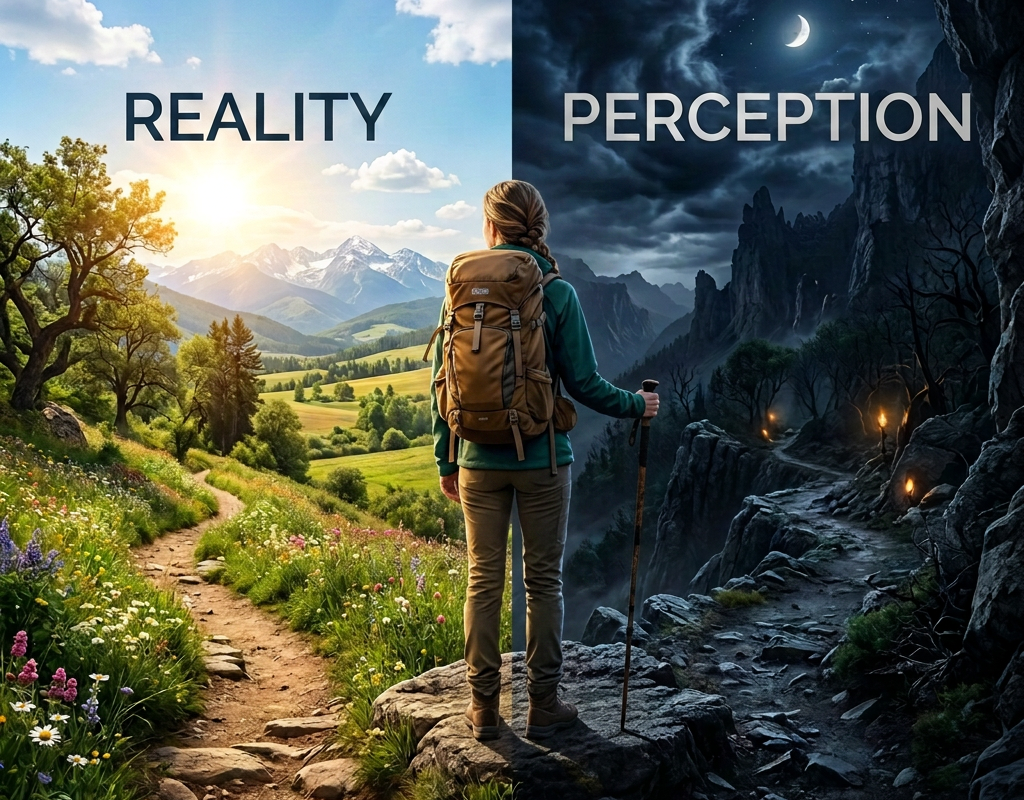
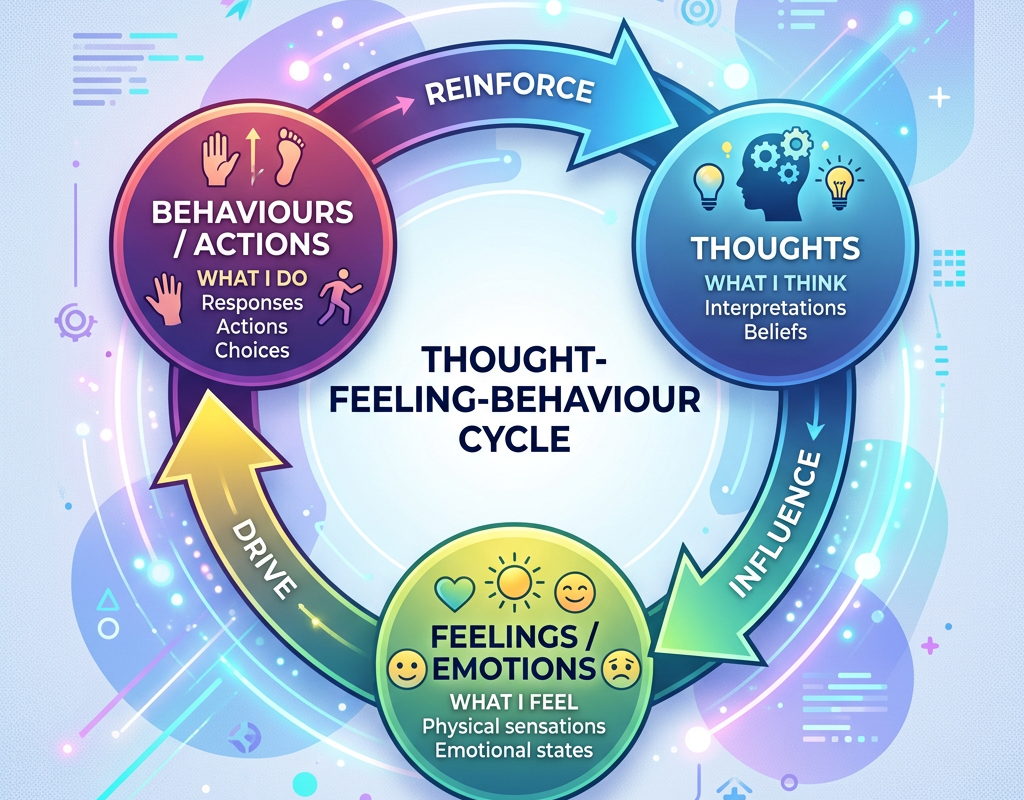
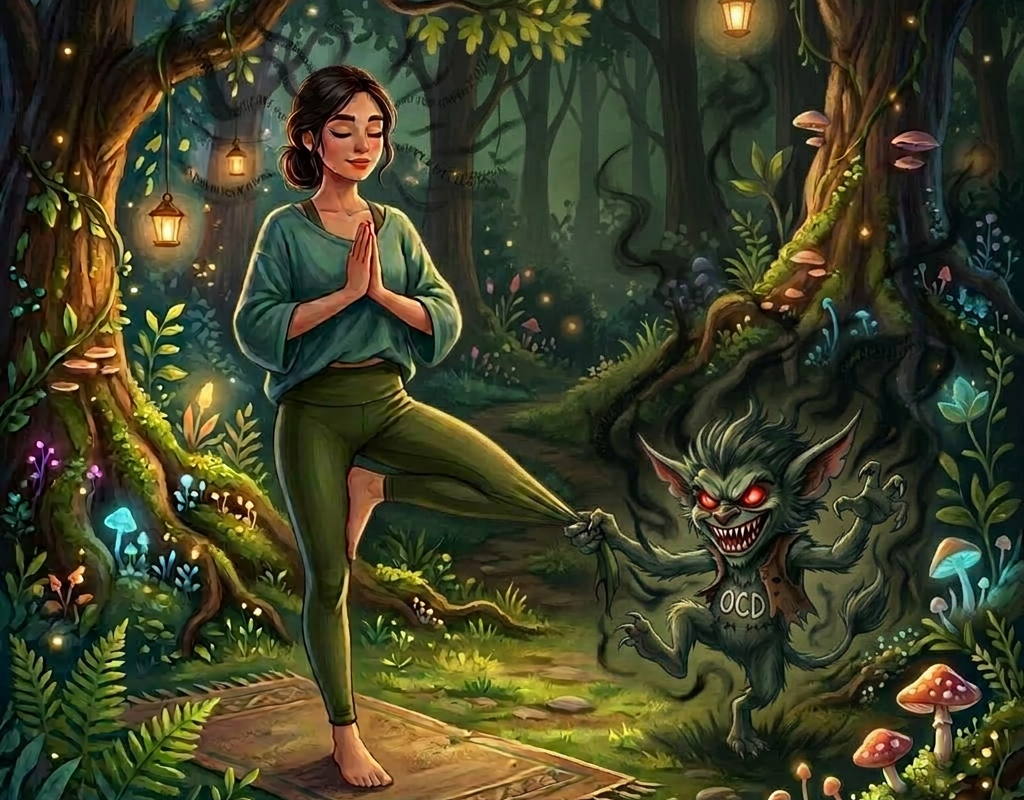
Our brains are designed to work out and fix problems to enable us to survive, it doesn’t care if we’re thriving and living your best lives it just wants us safe. Unfortunately the brain, as smart as it is, isn’t great at telling the difference between an imagined reality and our real one, here we can see how we can create suffering for ourselves, enter anxiety and OCD.
Quite often, in my experience, the onset of anxiety and OCD coincides with times of stress where we feel out of control or unsafe, throwing us into our sympathetic nervous system (fight or flight).
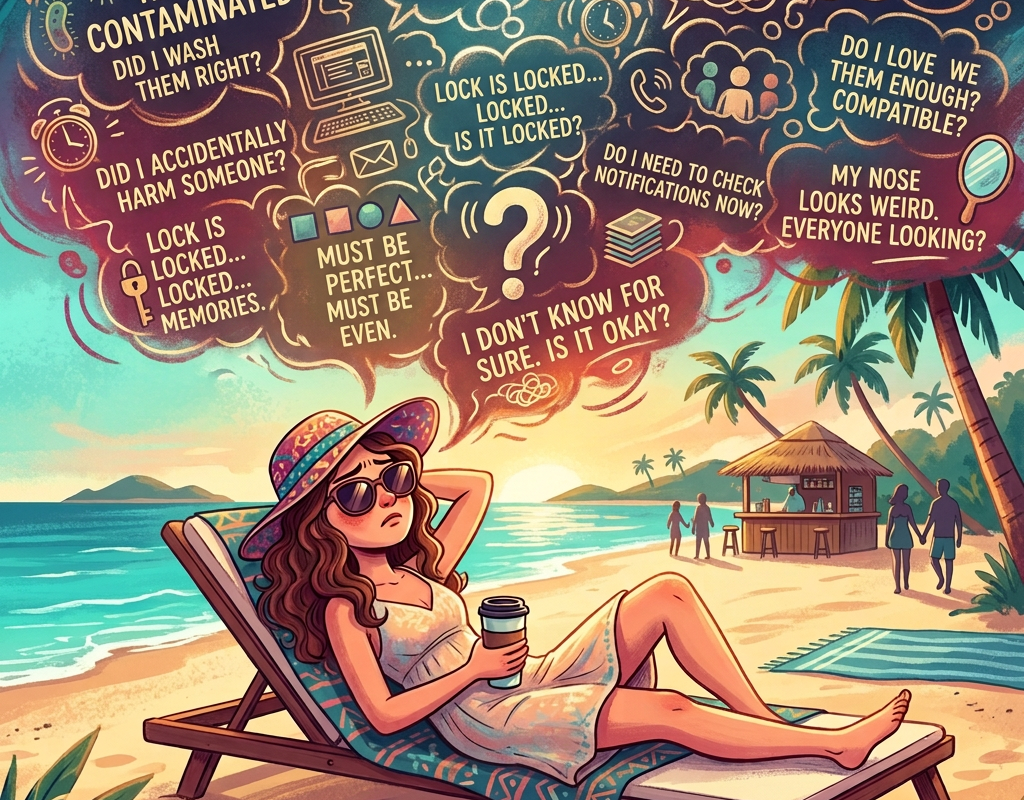
At these times the brain creates anxiety to stop us in our tracts, forcing us to pull back and OCD to keep us stuck inside our own heads.
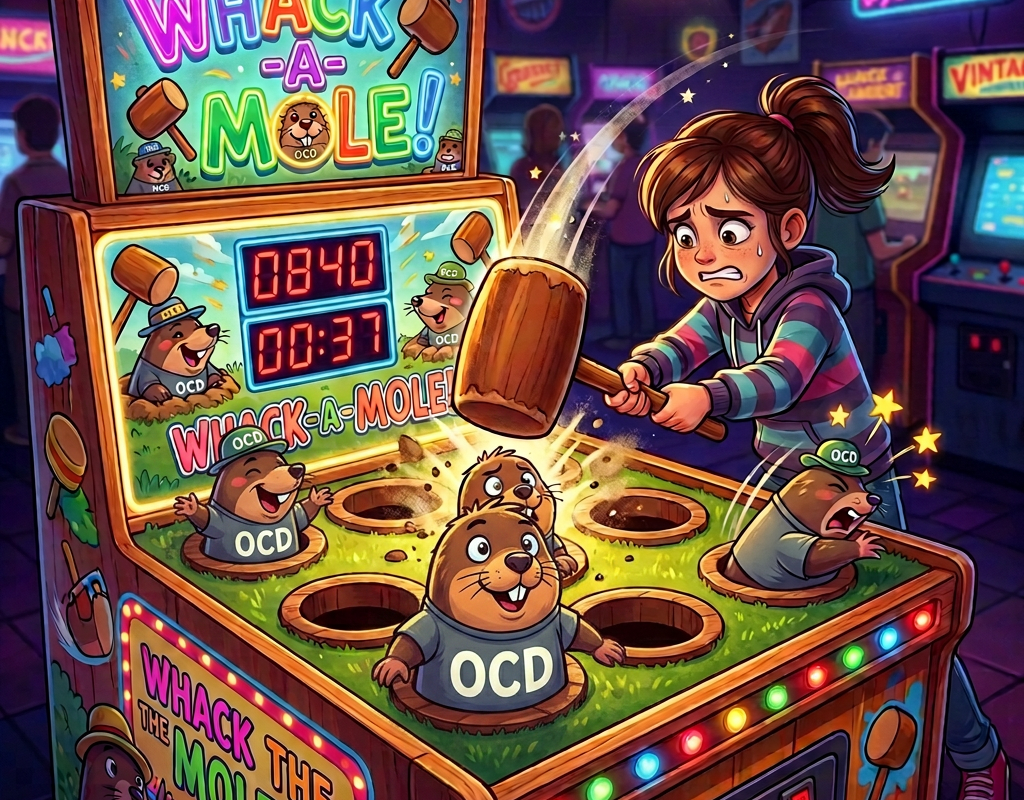
Both scenarios work to immobilise us, stop us living our lives, slowing us down and to be honest they’re generally pretty successful at it.
They use our human gifts of imagination, memory (past experiences) and prediction (perceived future experiences) against us, creating at times unbearable feelings, doubts, fears and uncertainty.
Having suffered from both OCD and anxiety in my time I know just how strong they can be.
I hear a lot of therapists saying, ‘feel the fear and do it anyway’ and even though this is great advice I also know, from lived experience, that if you push too hard when you’re anxious and don’t respect your need to rest as well, your nervous system will get louder, not quieter.
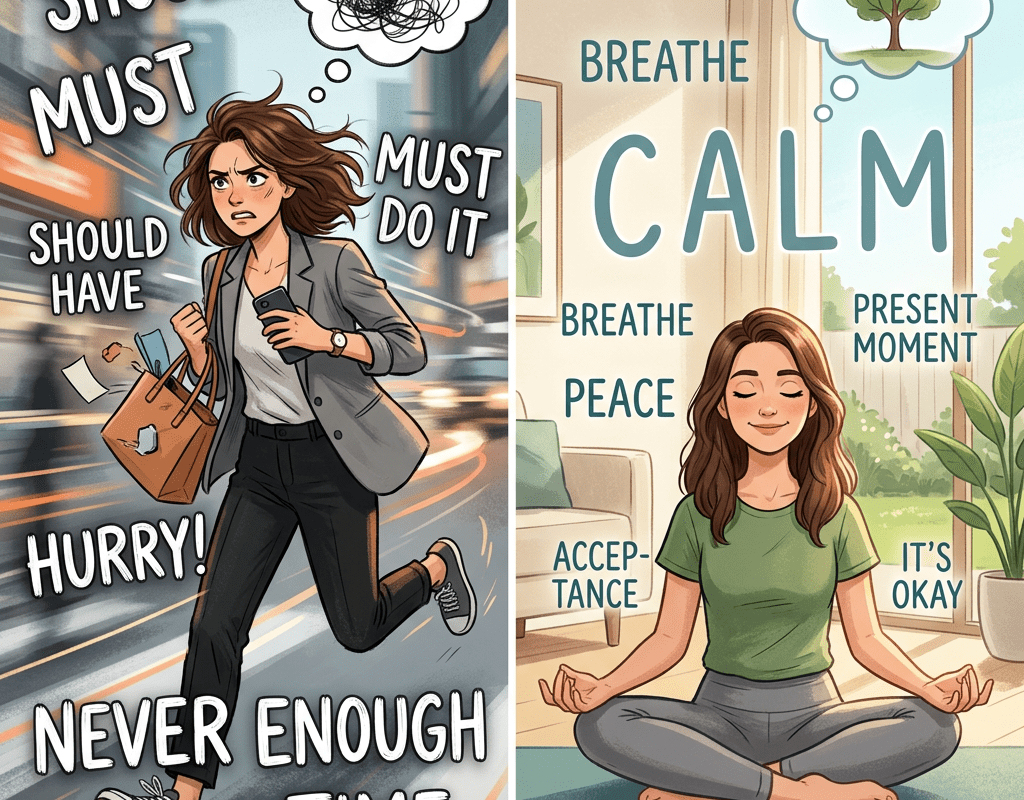
There is a balance we must find between, sitting with it and respecting it, which can be incredibly tricky to do.
This week I saw a return of my BPPV – a type of vertigo – in the past this has caused me huge anxiety and panic and so it’s been a tricky week, my brain has felt scared and I’ve had to pull back to respect that.
My anxiety has made me feel tired, fatigued, off balance and like I’d like to do nothing more then stay at home and do nothing.
As a result I’ve removed some of the extra activities I’d normally do when feeling my best, like my strength training, to allow my brain and body time to rest and see that it is safe to relax again.
I’ve still taught my yoga classes but had to cue rather than partake, all while sitting with the uncomfortable anxious feelings my brain is sending my way. This is the balance I am talking about, it is a tricky one and a life long skill which we need to master.
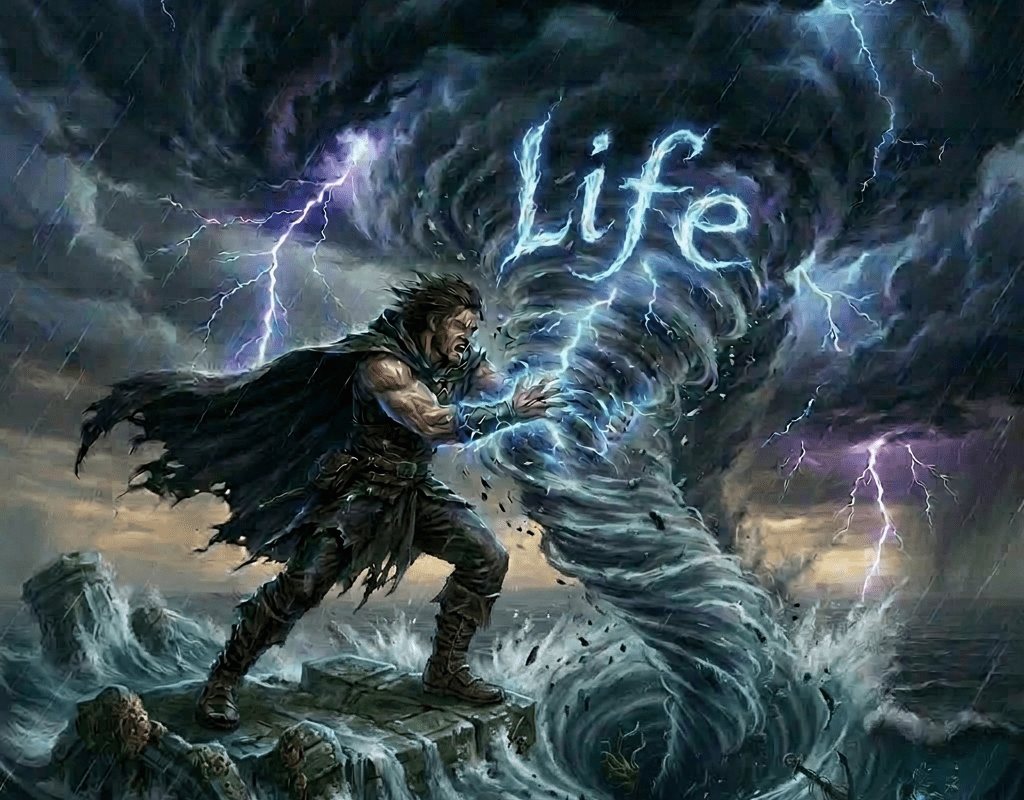
Life is chaotic and unpredictable and as humans we hate this but the more we push against it the more we suffer. OCD is an ultimate version of this, trying to eliminate all doubt is impossible, there will always be another, ‘What if?’ or ‘Maybe?’ and in the end you need to trust that when a situation arises you will make the right decision and be capable of handling it.
You got this, as always,
Stay Strong xxx